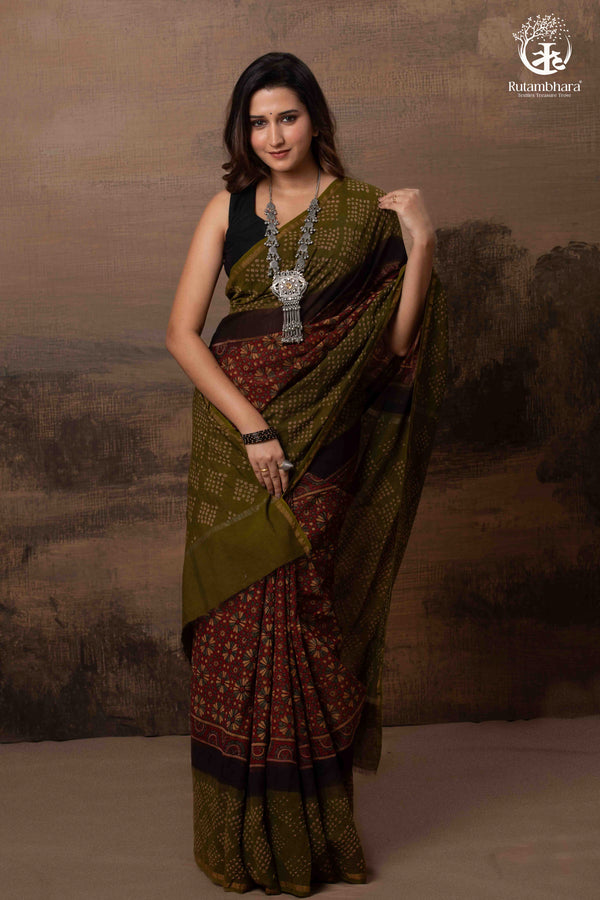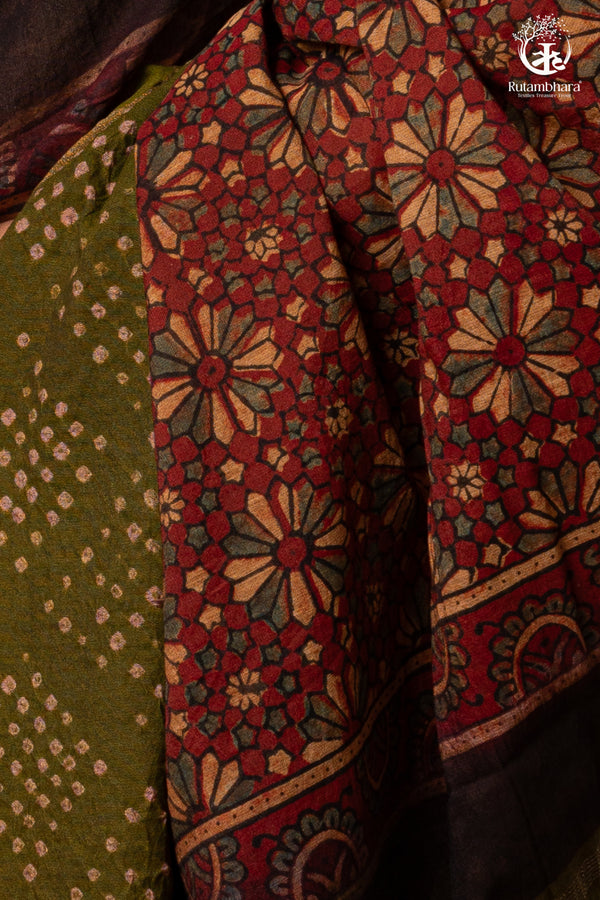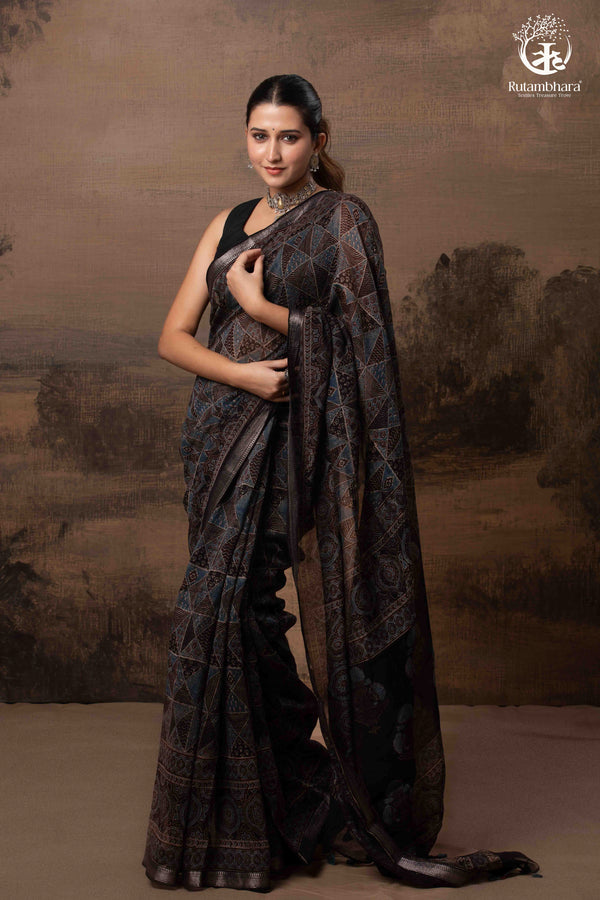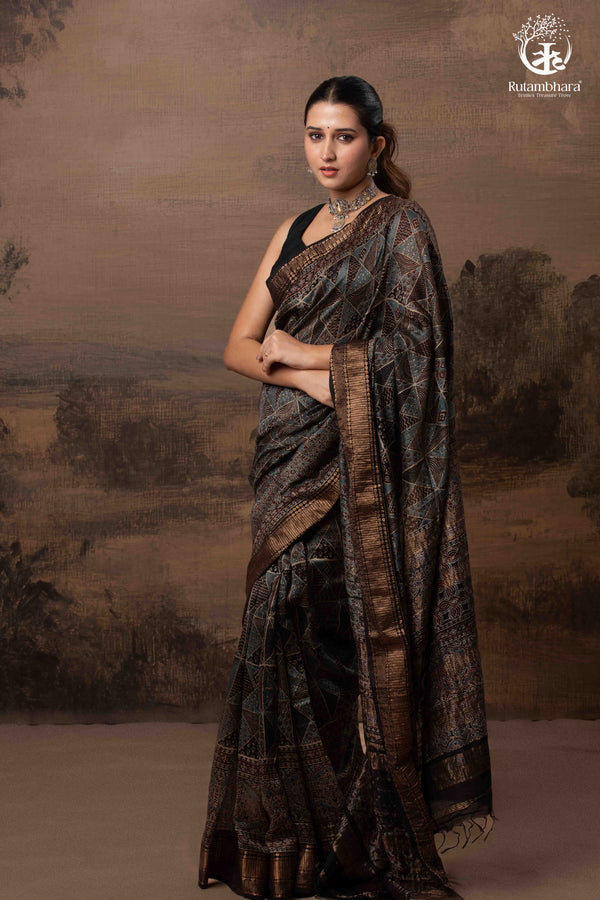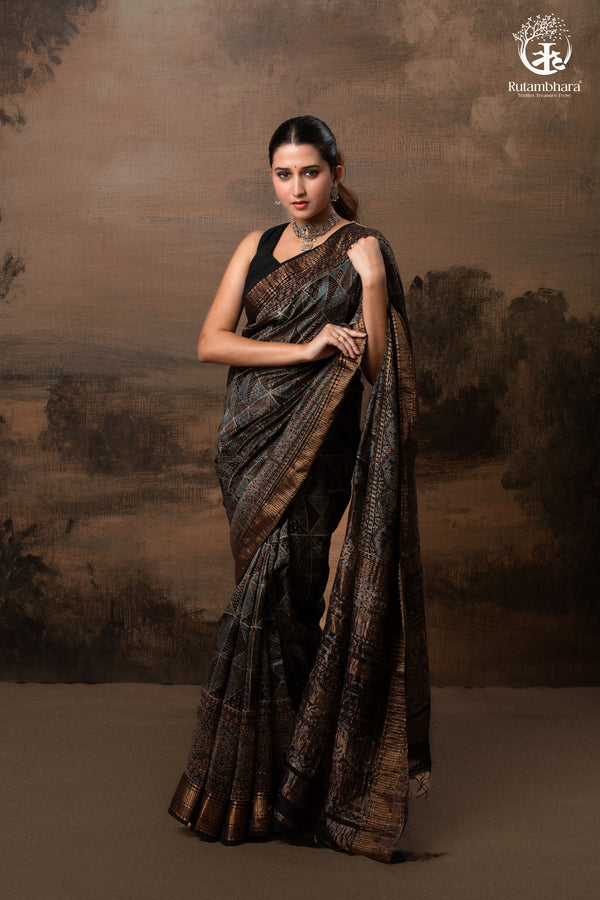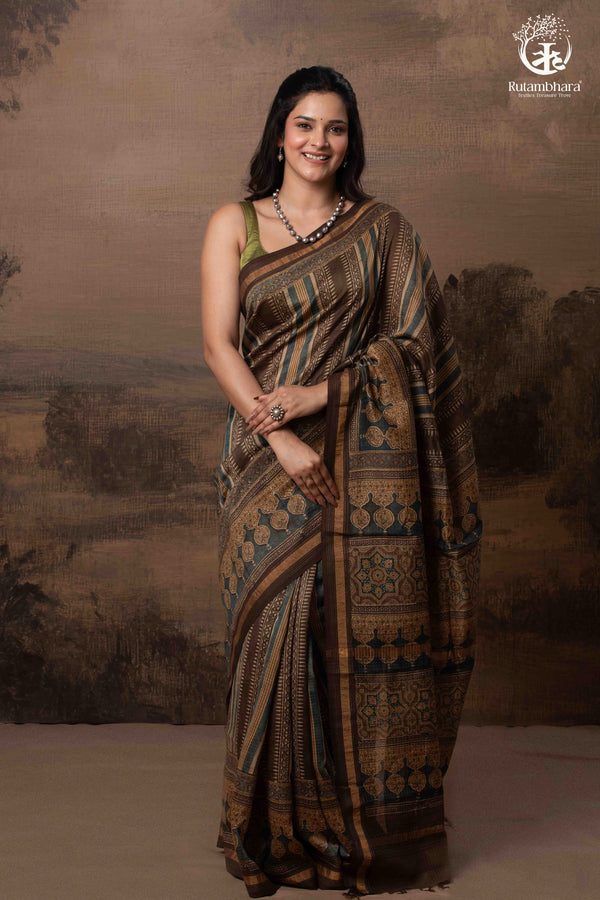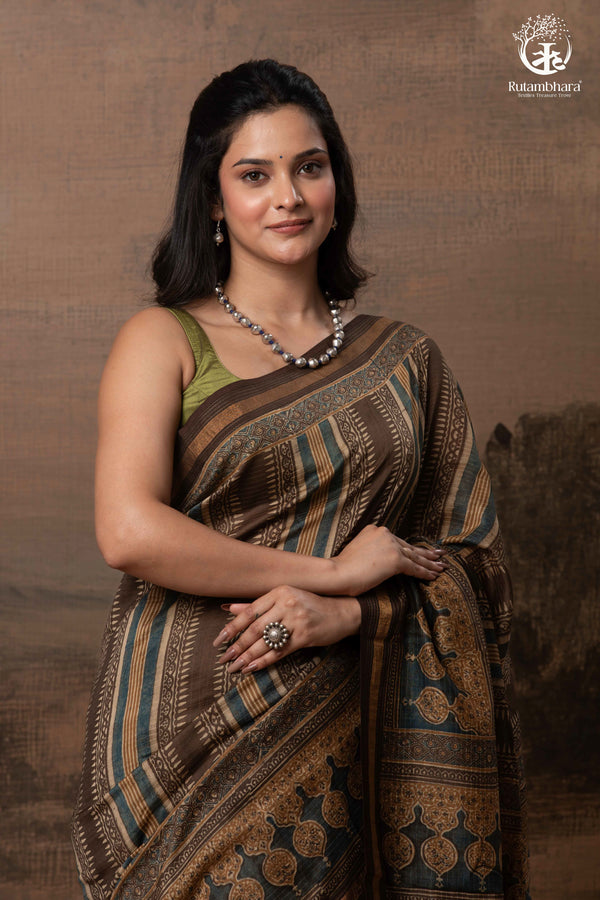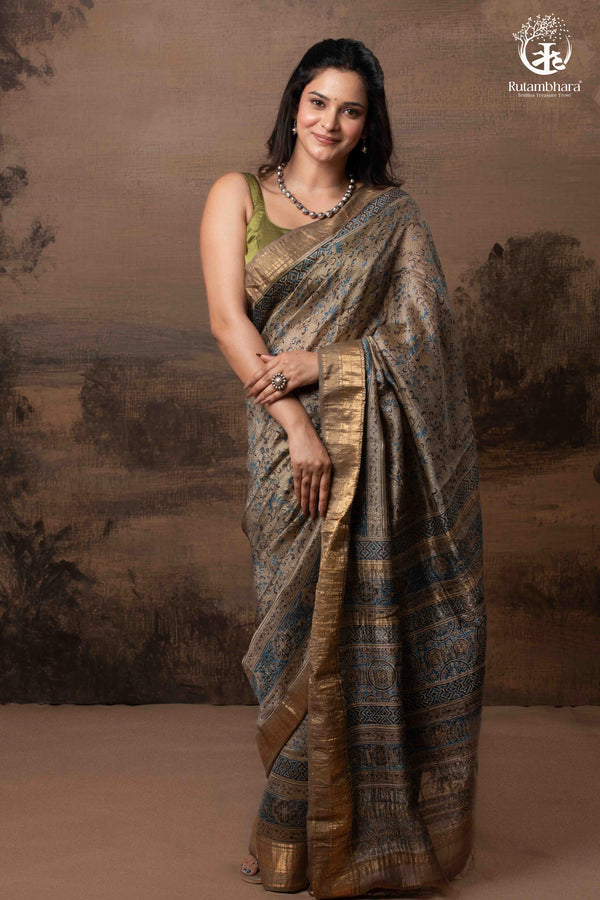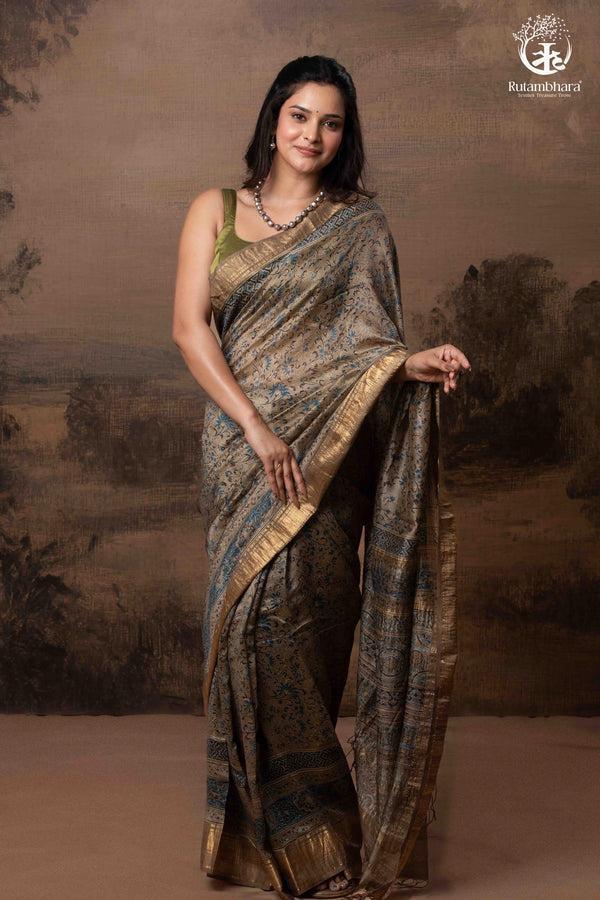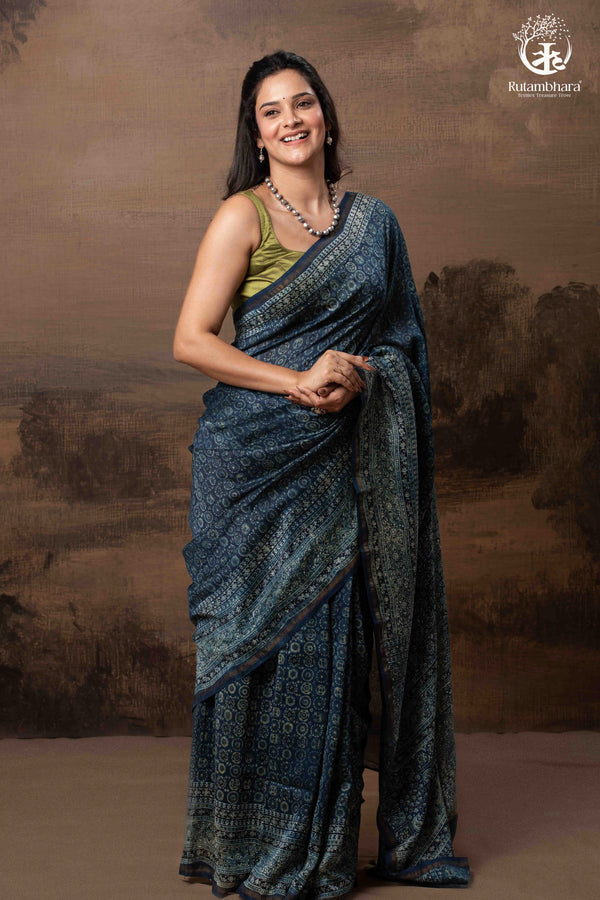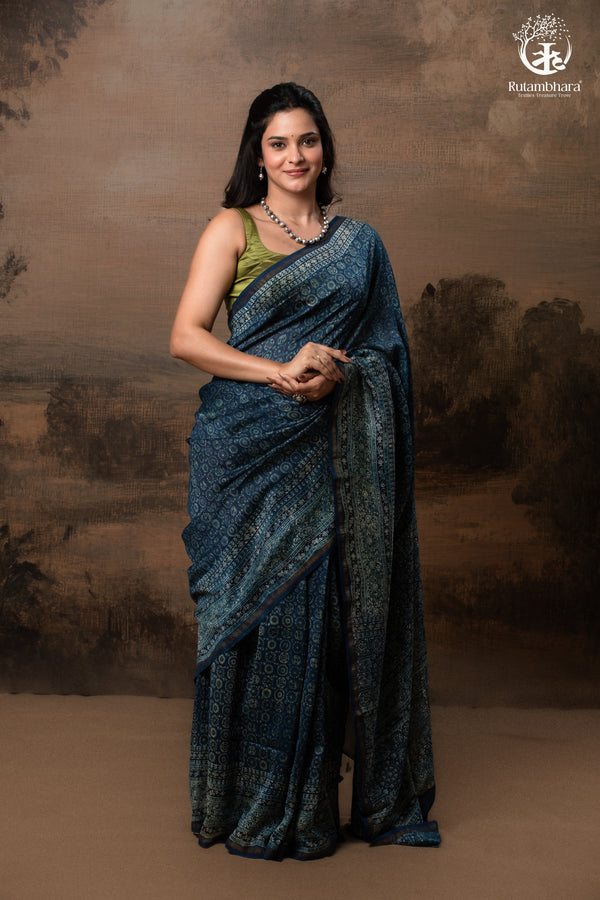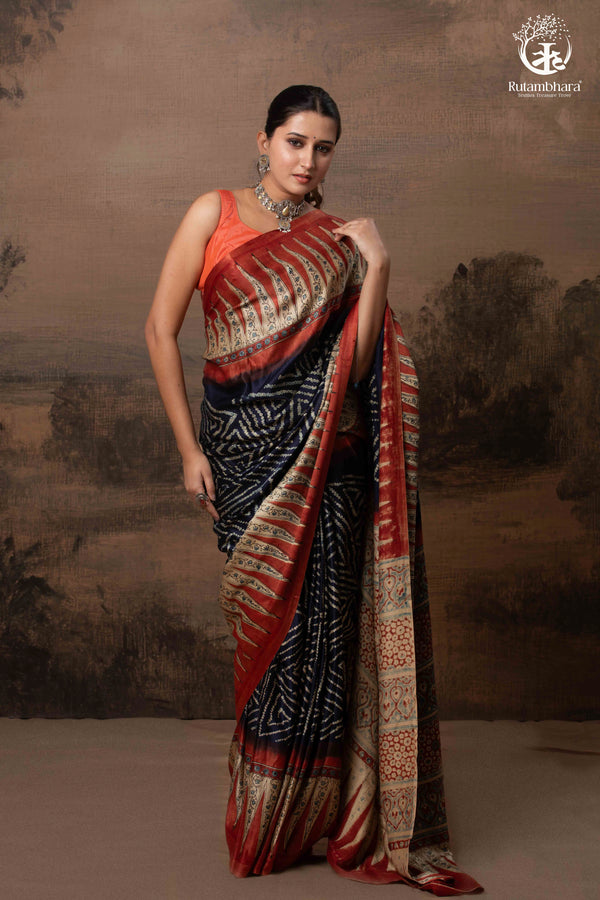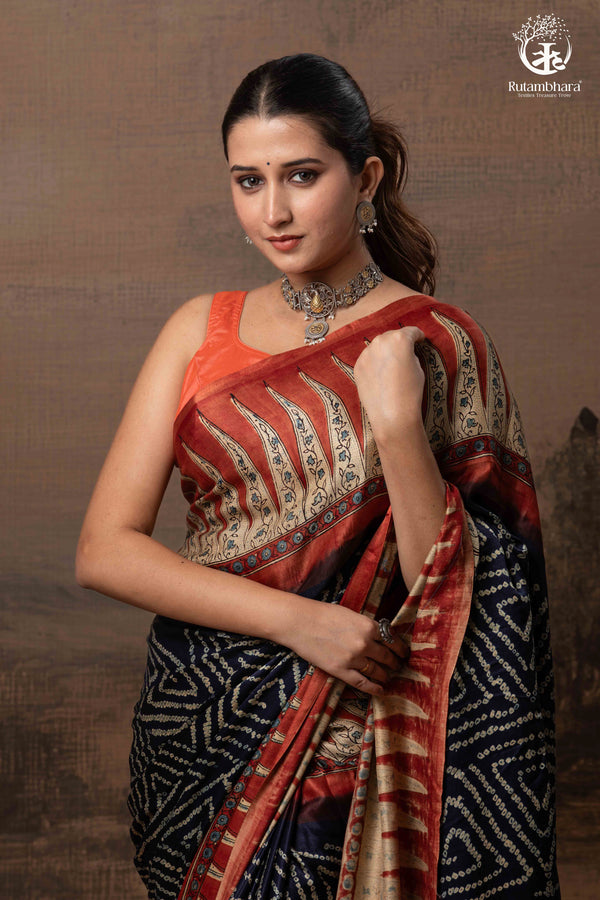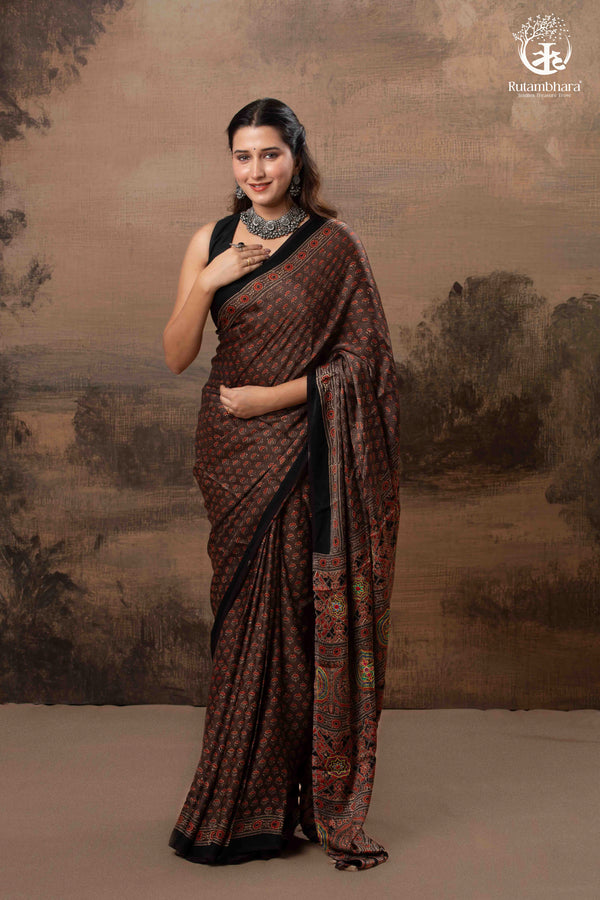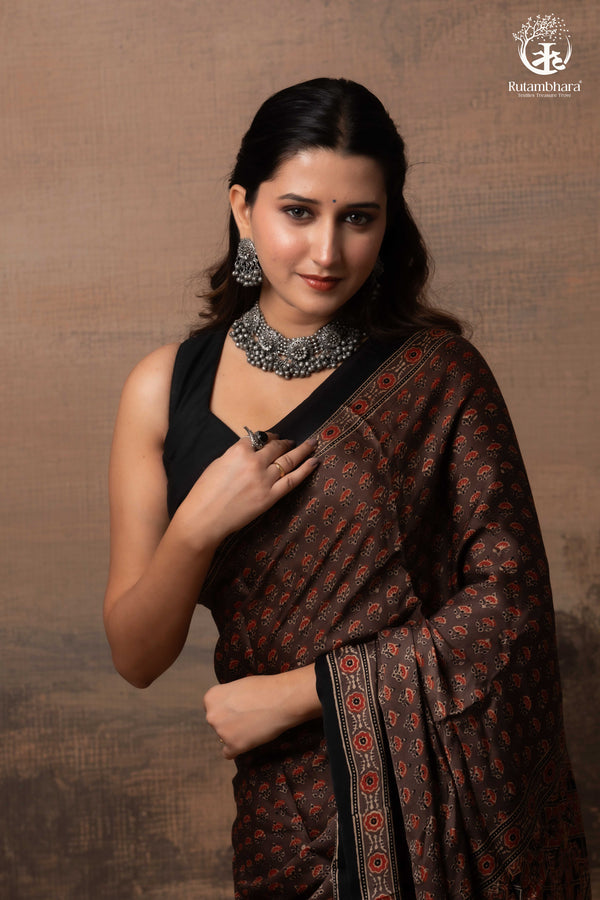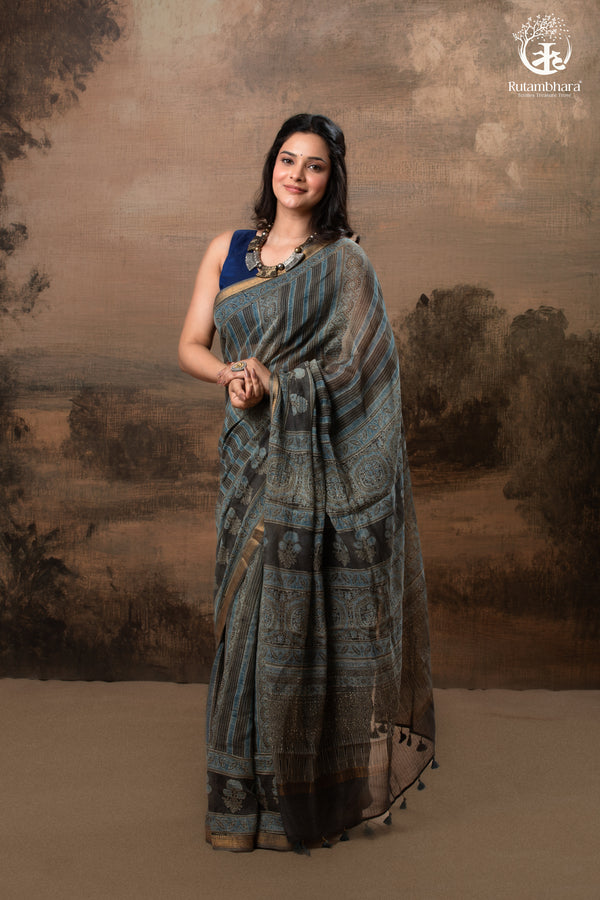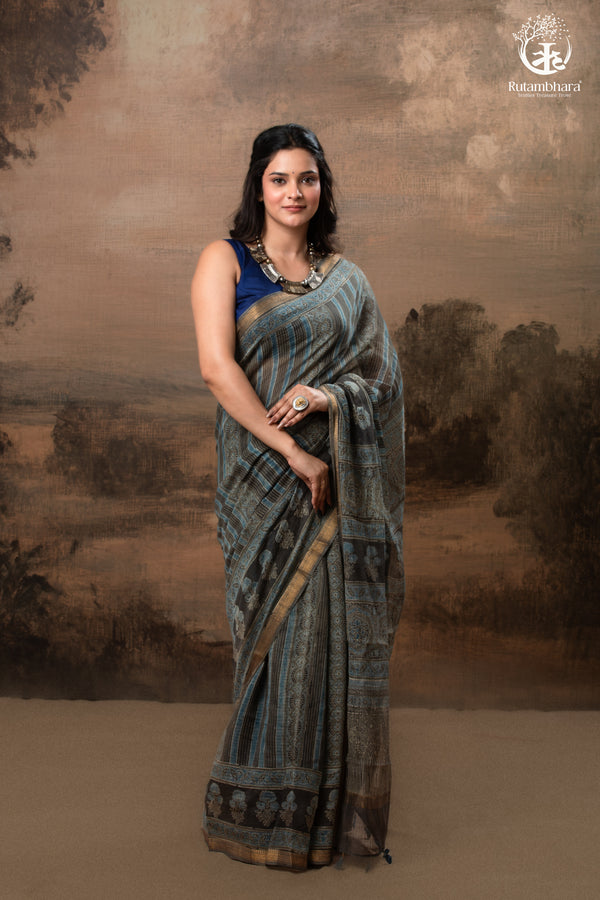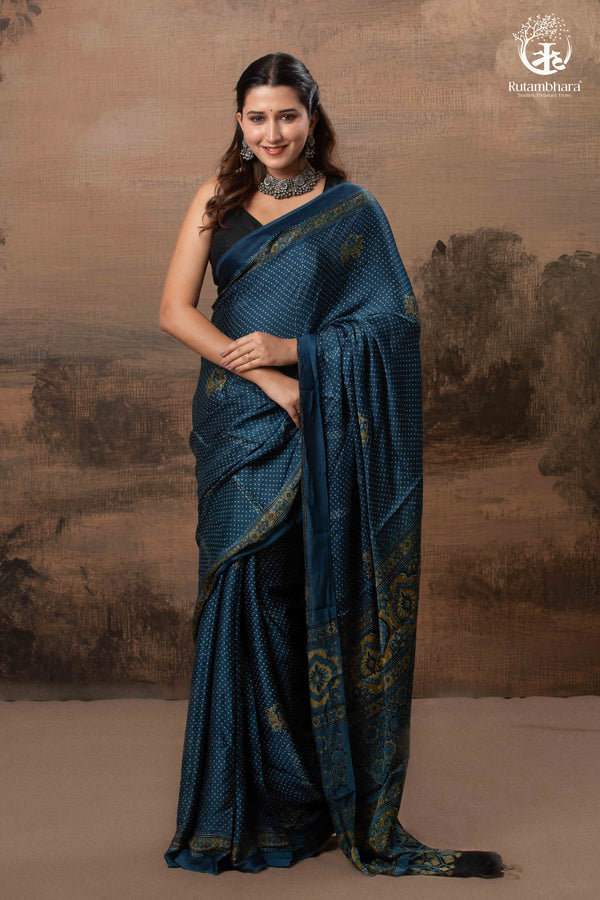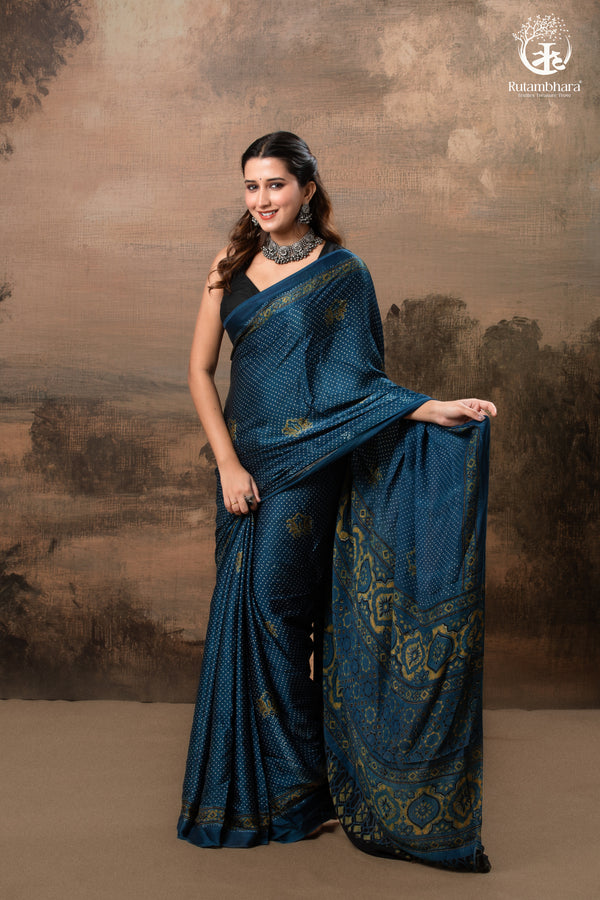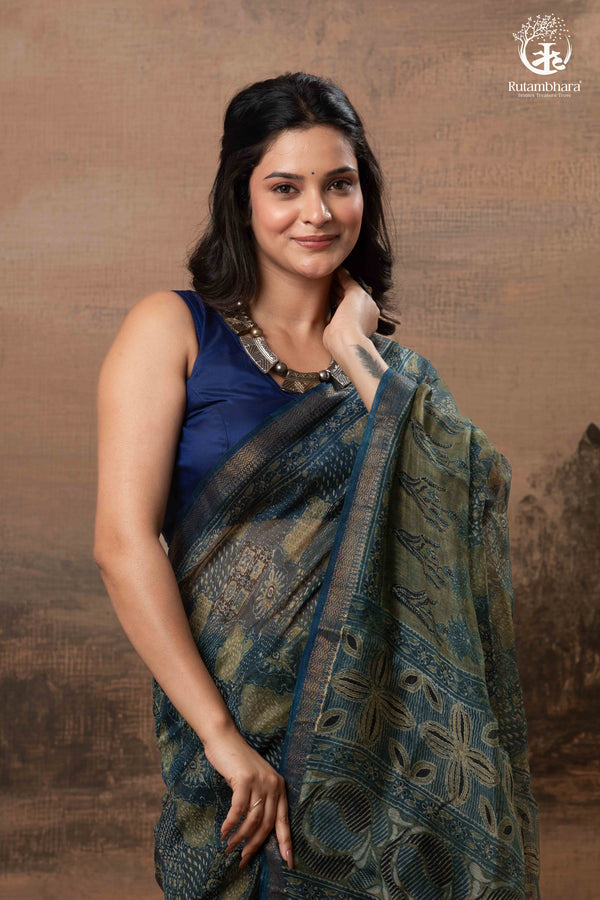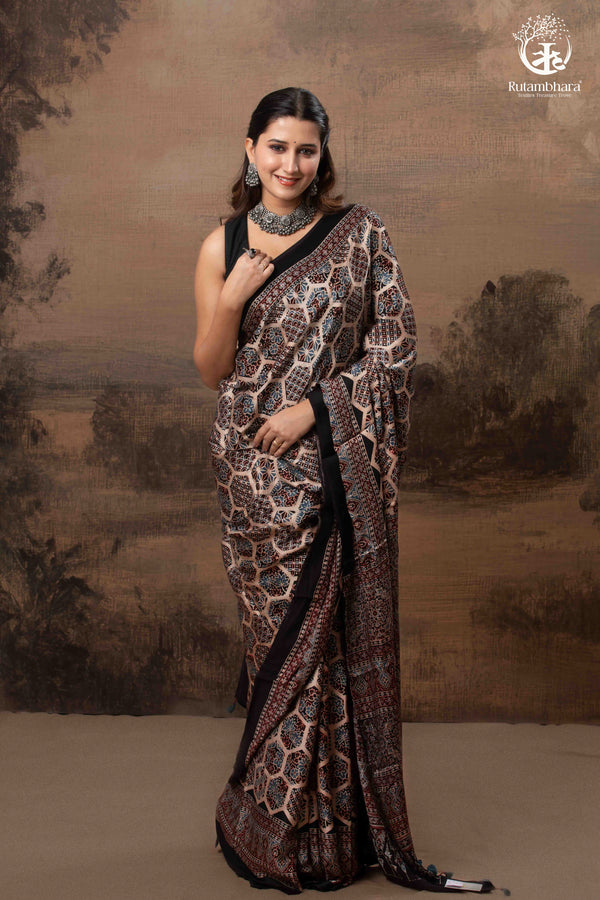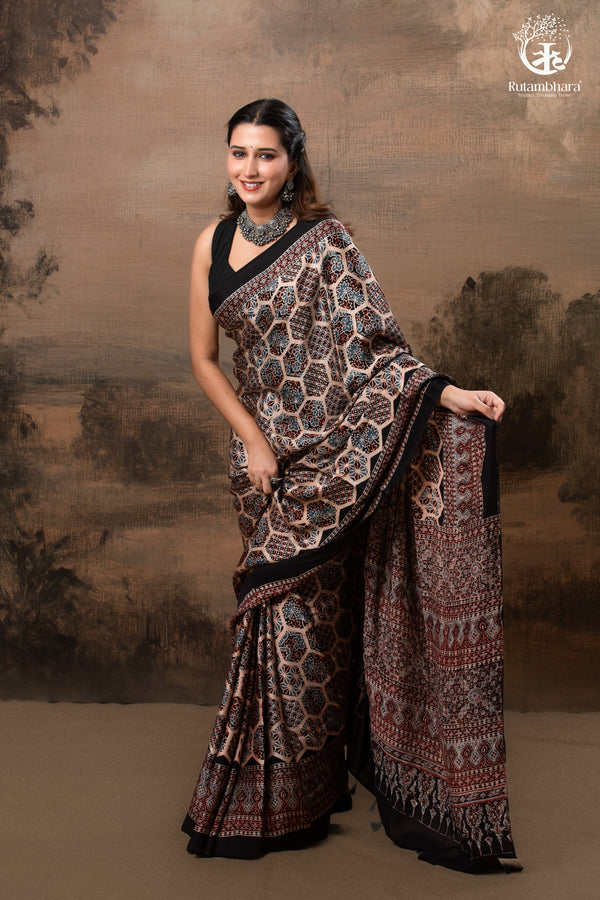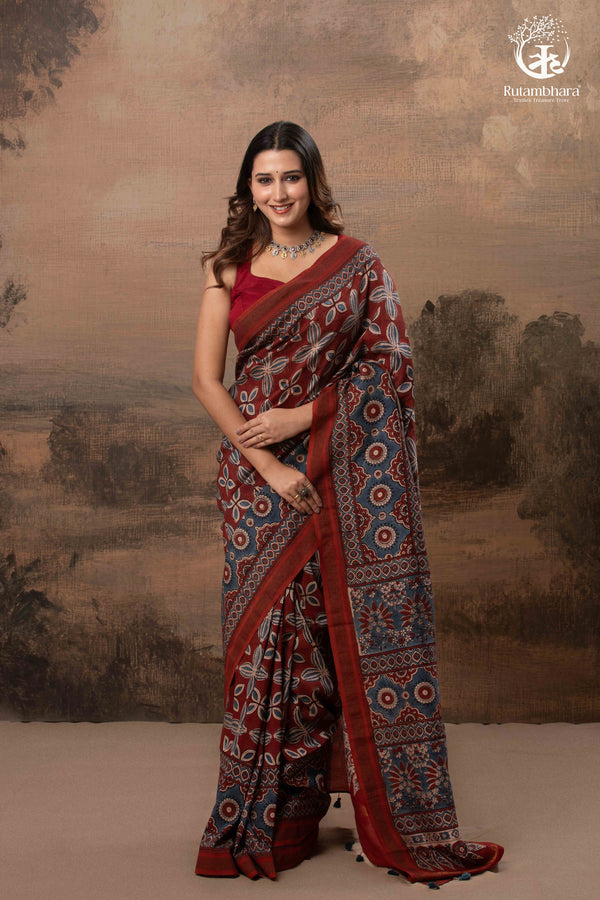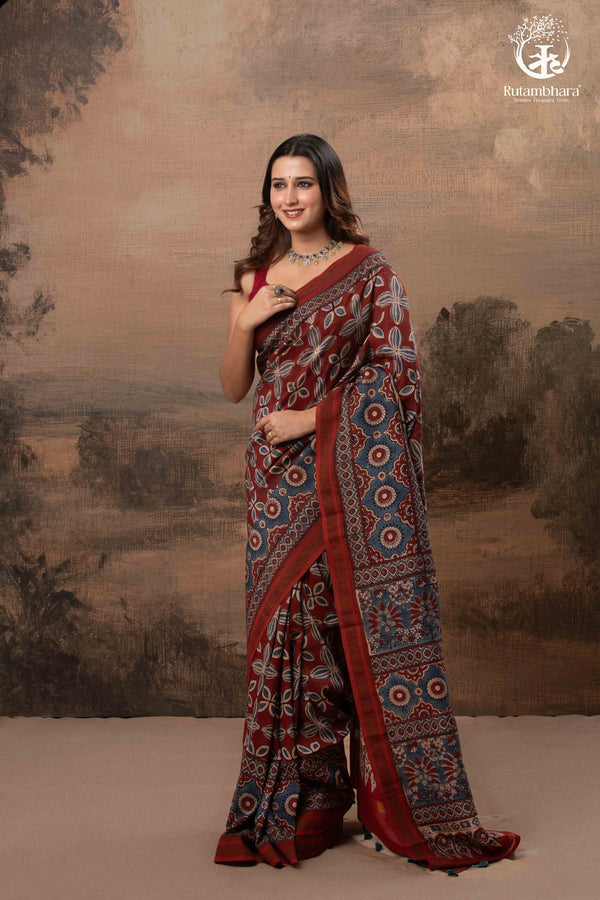


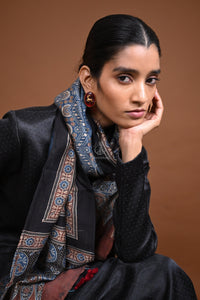
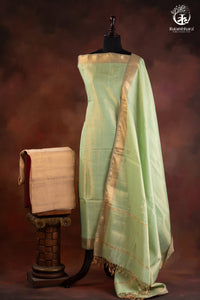
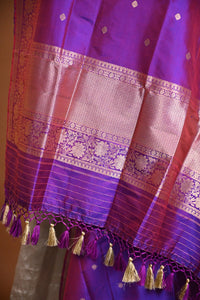
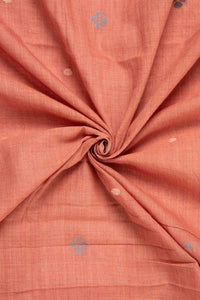
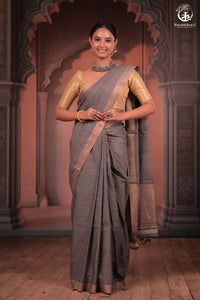
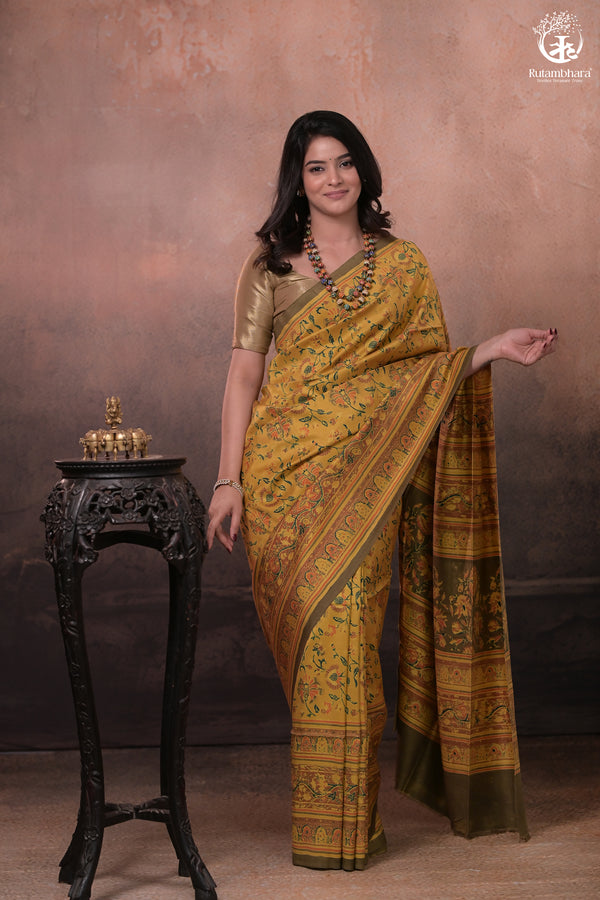
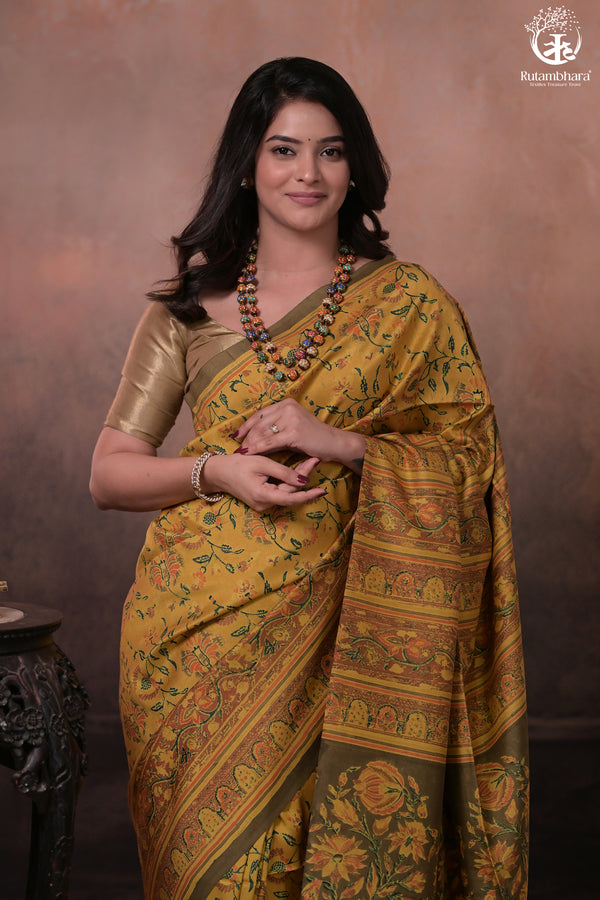
Ajrakh sarees hand-printed in Kutch with natural dyes — most woven in silk-cotton, the blend that suits the many-stage printing best.
22 products (filtered)
Showing 16 of 22 products
Ajrakh is a resist print, not a surface print. The cloth passes through a long sequence of stages — resist paste, madder and indigo dye baths, repeated washing — and the pattern is built by protecting areas from colour rather than laying colour on top. It is why an Ajrakh reads with the same depth on both faces.
Most sarees in this edit are woven in silk-cotton, which takes the repeated washing of Ajrakh printing better than pure silk and drapes with more body than pure cotton. A small number are pure silk. Each product page states the fabric.
Because these are woven by hand, slight irregularities in the weave and small colour shifts between pieces are normal. They are the signature of a handloom, not a flaw.
A resist-dyeing craft from Kutch in which paste is applied to protect areas of cloth, which is then dyed — repeatedly, through many stages — in natural madder and indigo.
Most in this collection are silk-cotton, with a few in pure silk. The fabric is stated on each product page.
The dyes are natural. Madder red, indigo blue, iron black and undyed cream give Ajrakh its characteristic deep, unbright palette.
Natural dyes may release slight excess colour in the first wash. Wash separately in cold water the first few times and dry in shade.
Loading product...