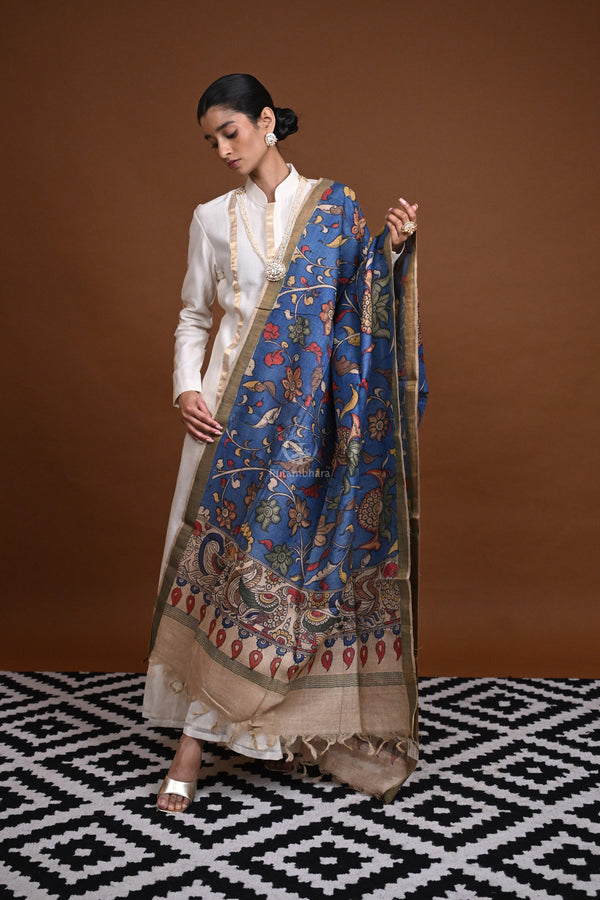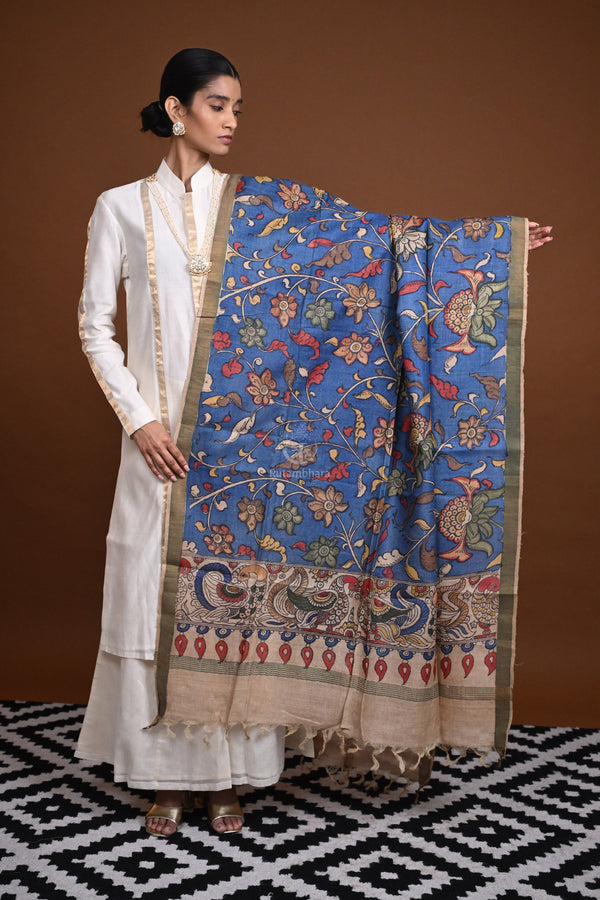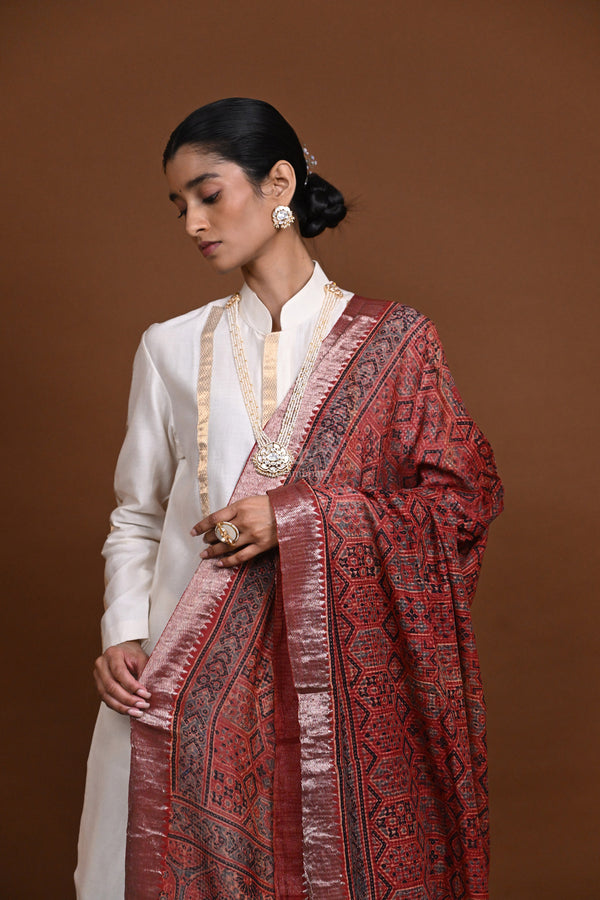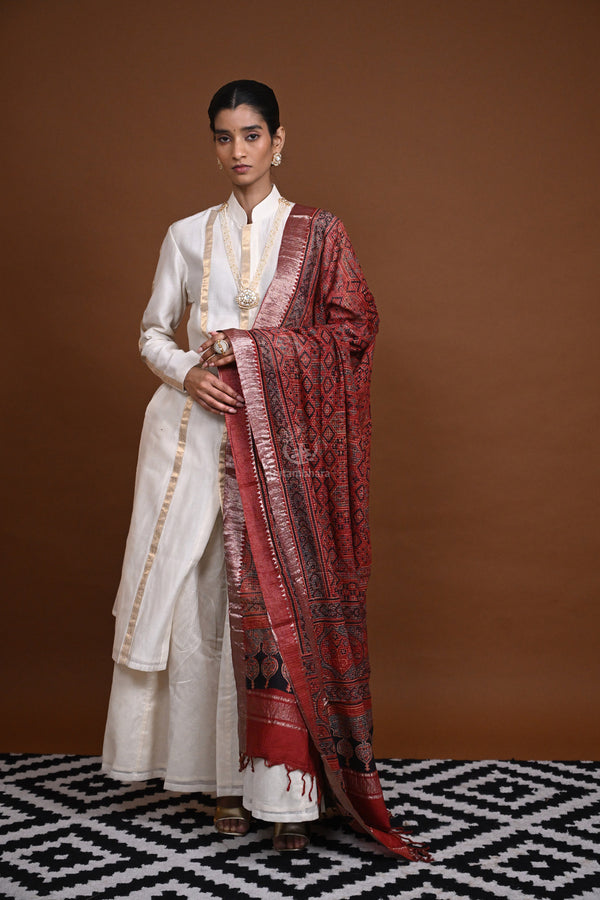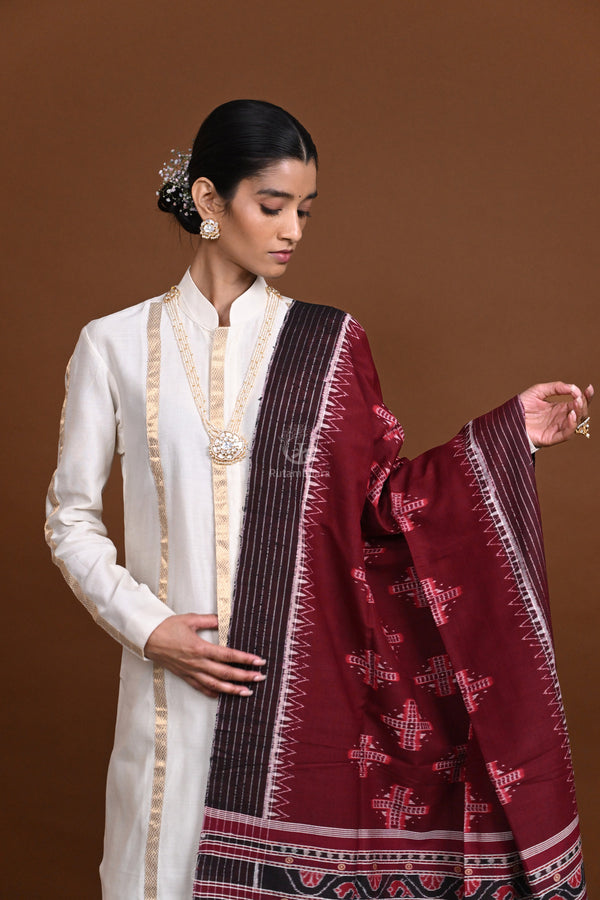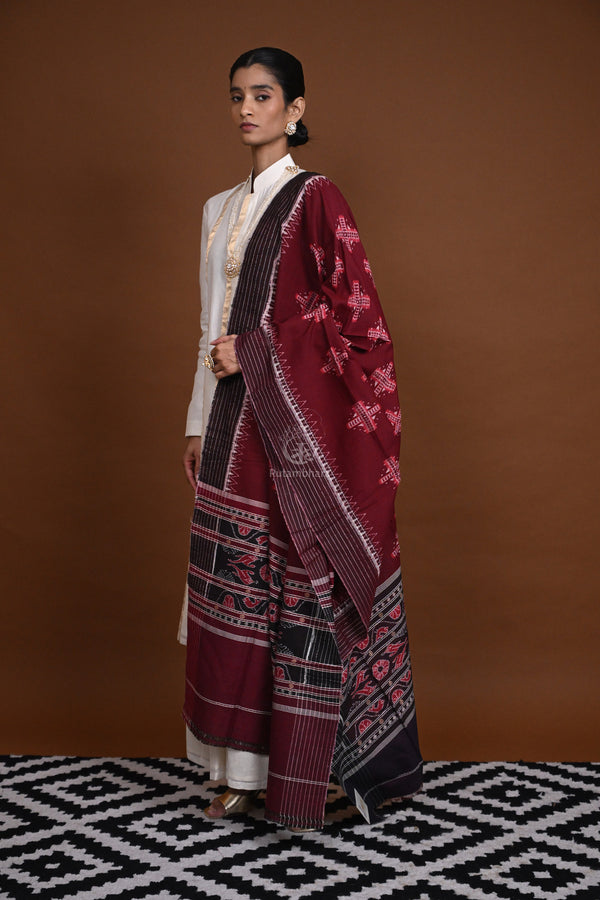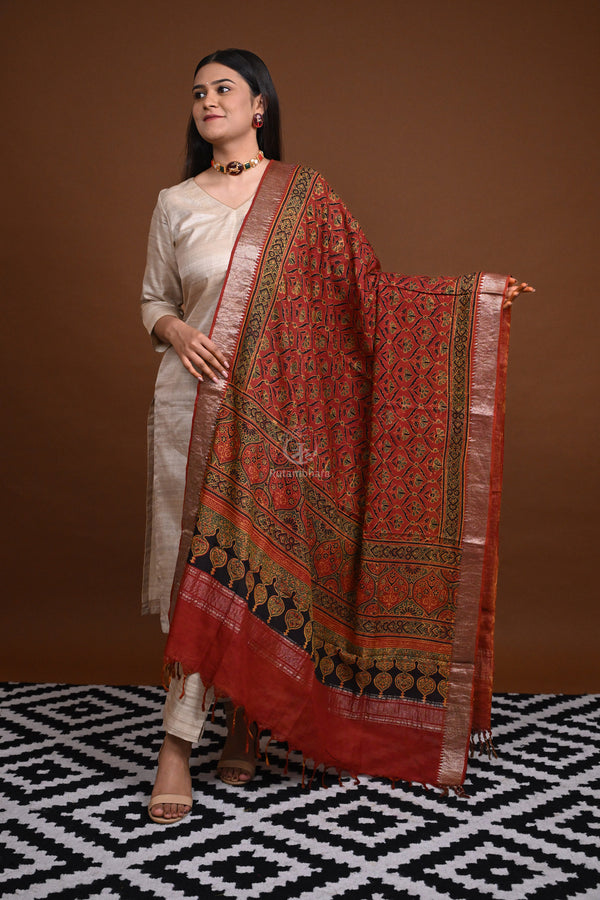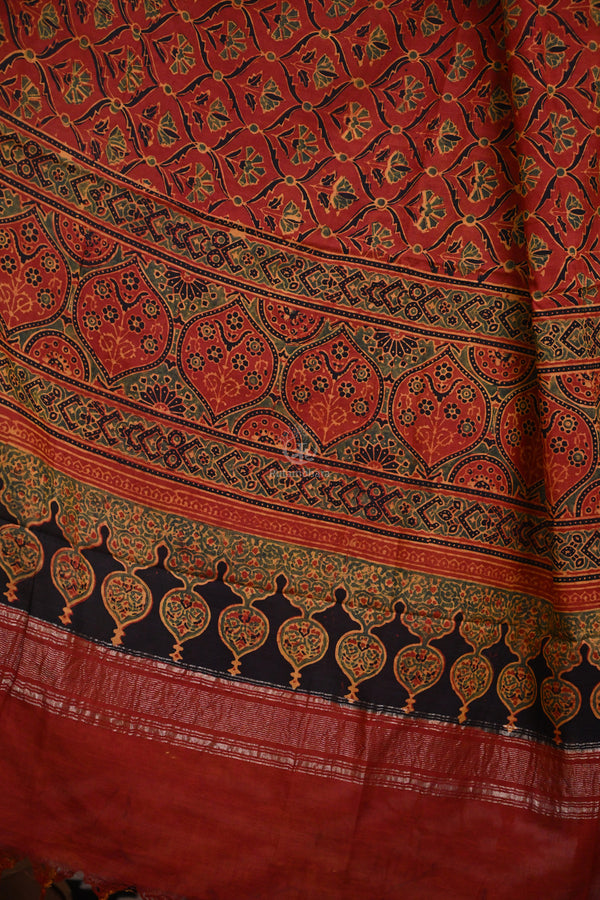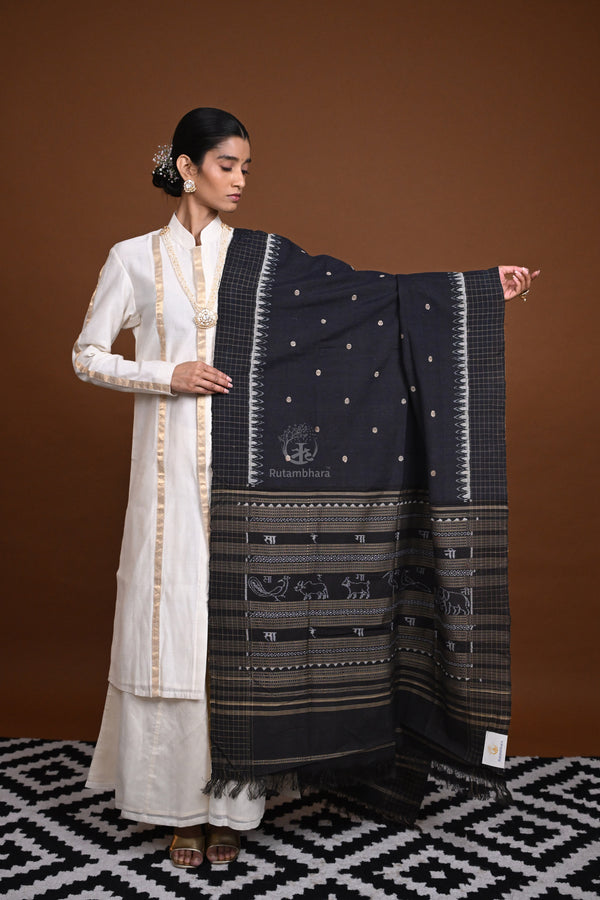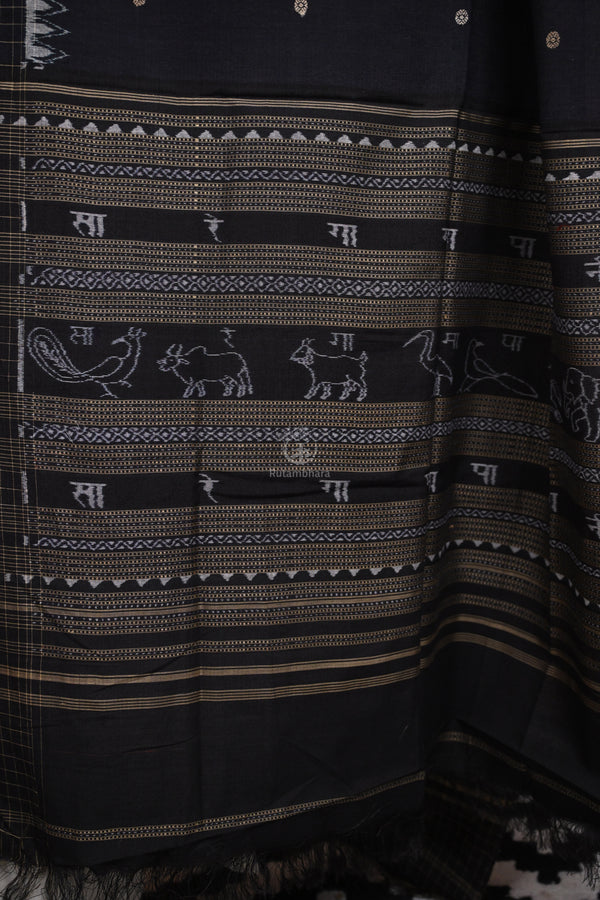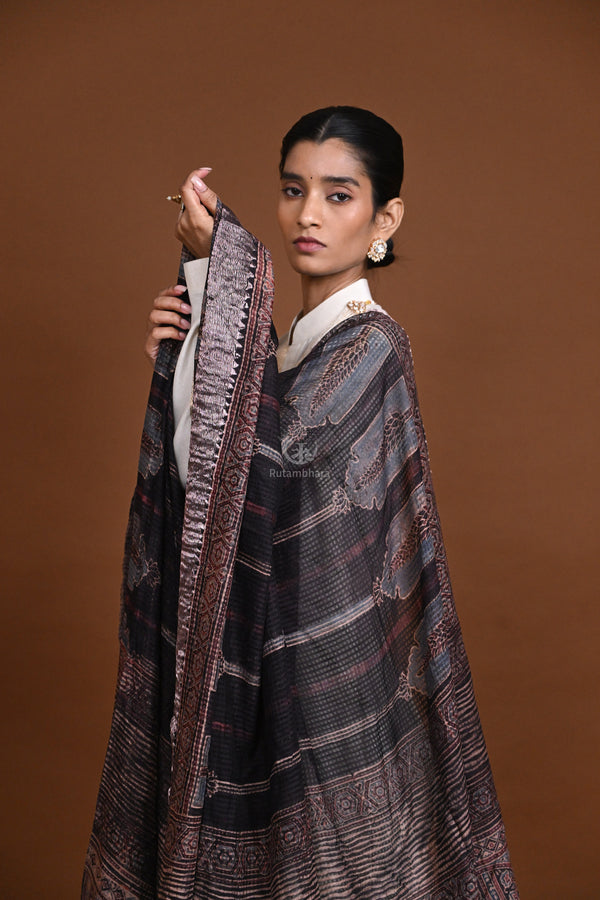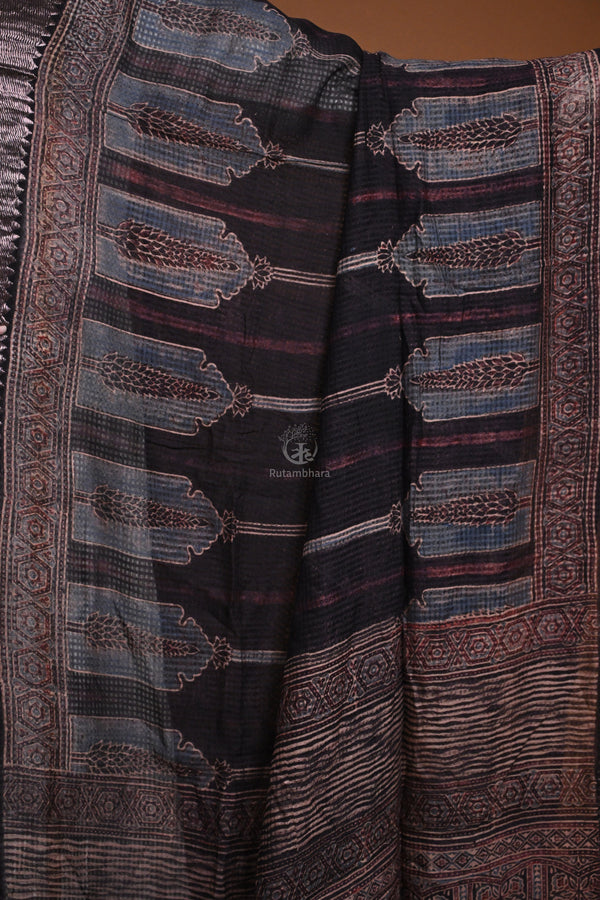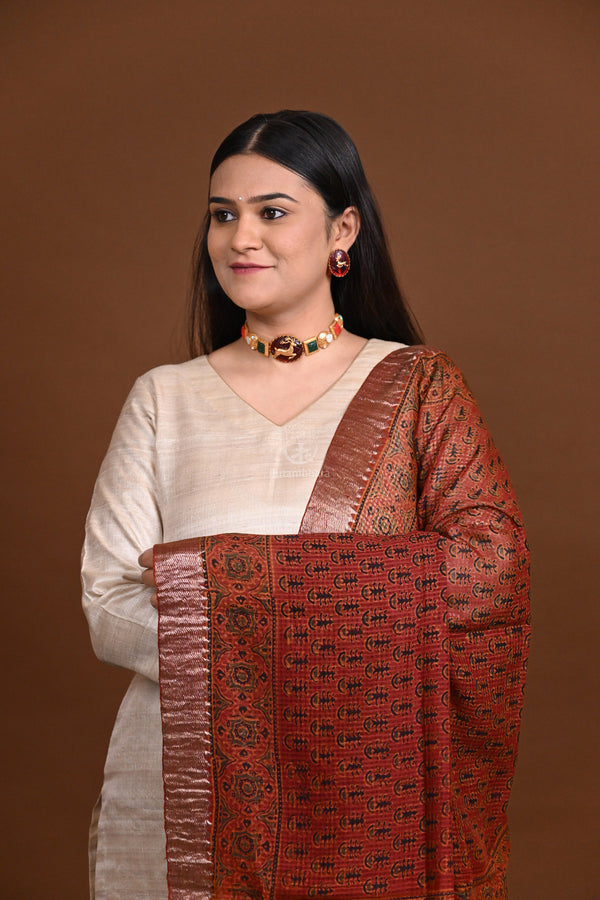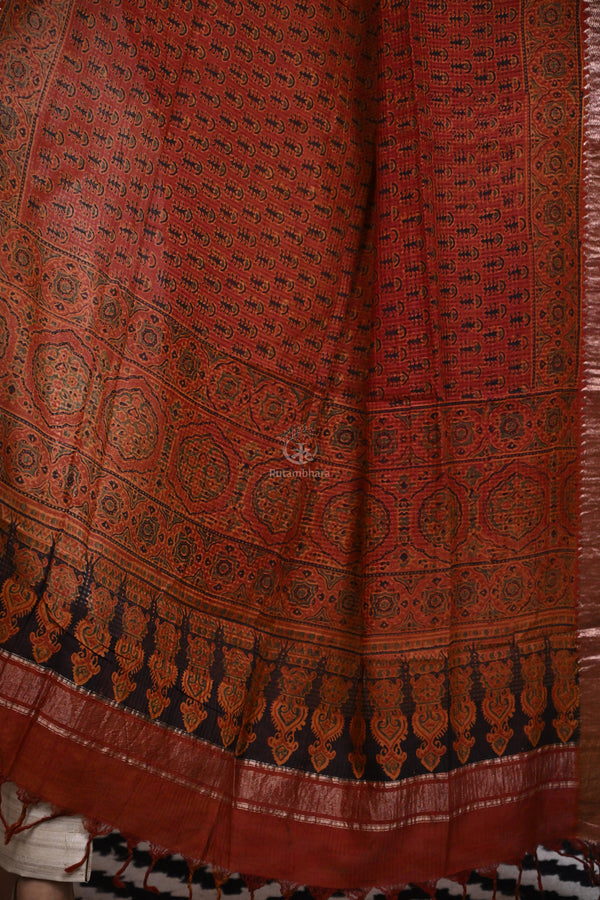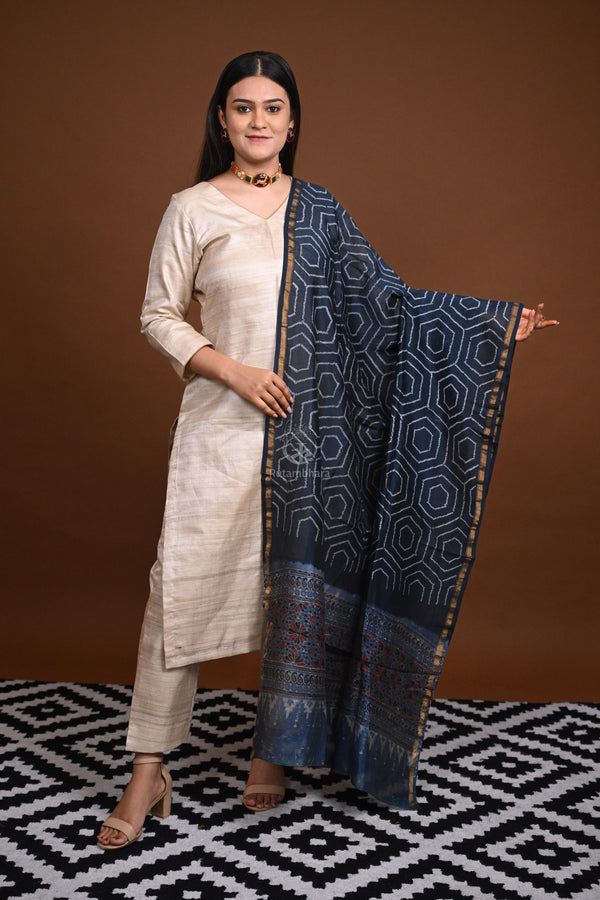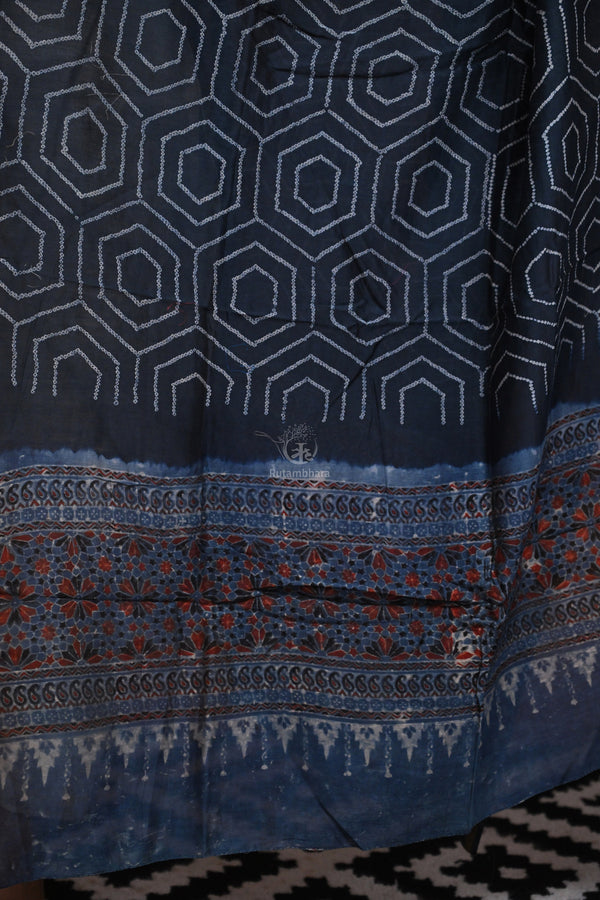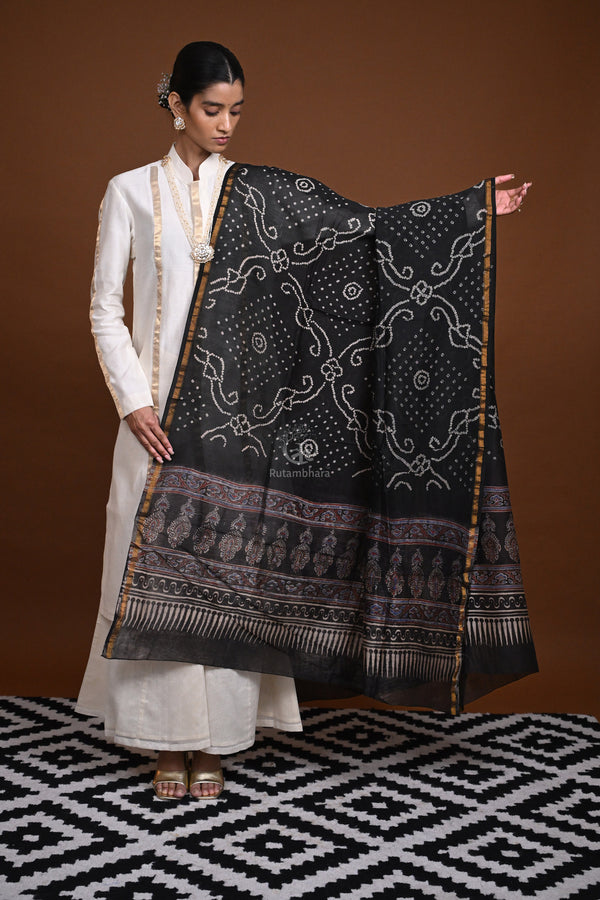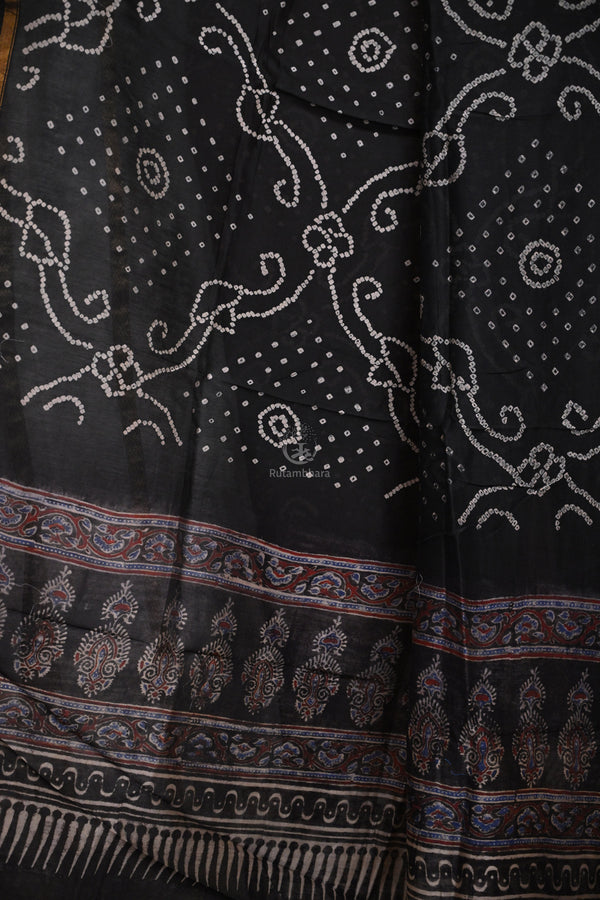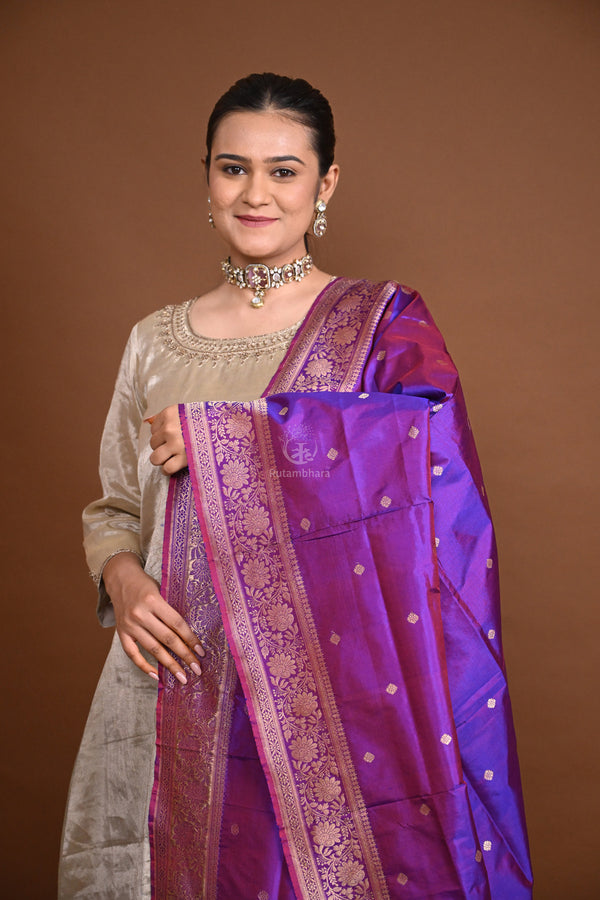


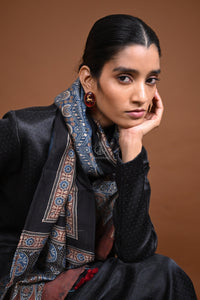
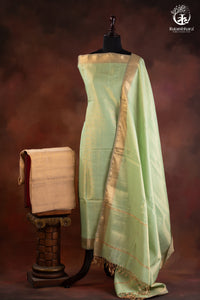
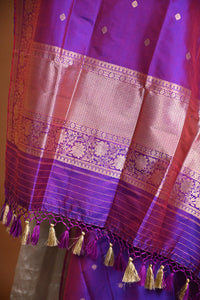
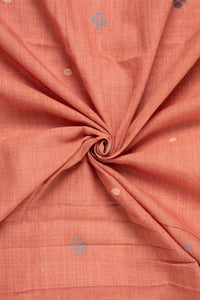
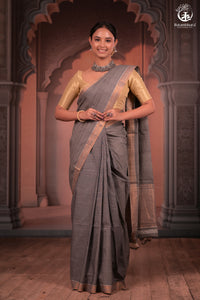


Every dupatta we stock, sorted by the cloth it is woven from: silk, silk-cotton and cotton.
44 products (filtered)
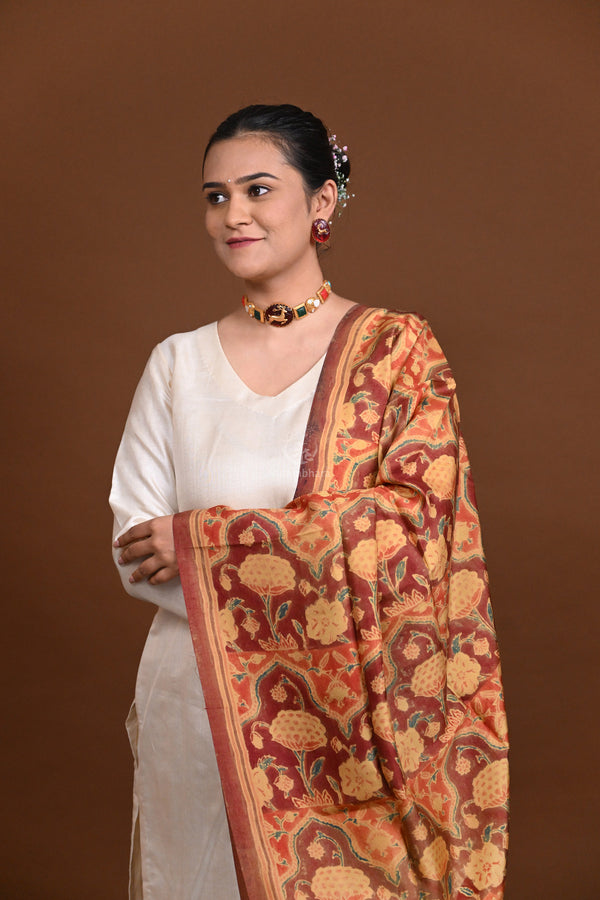
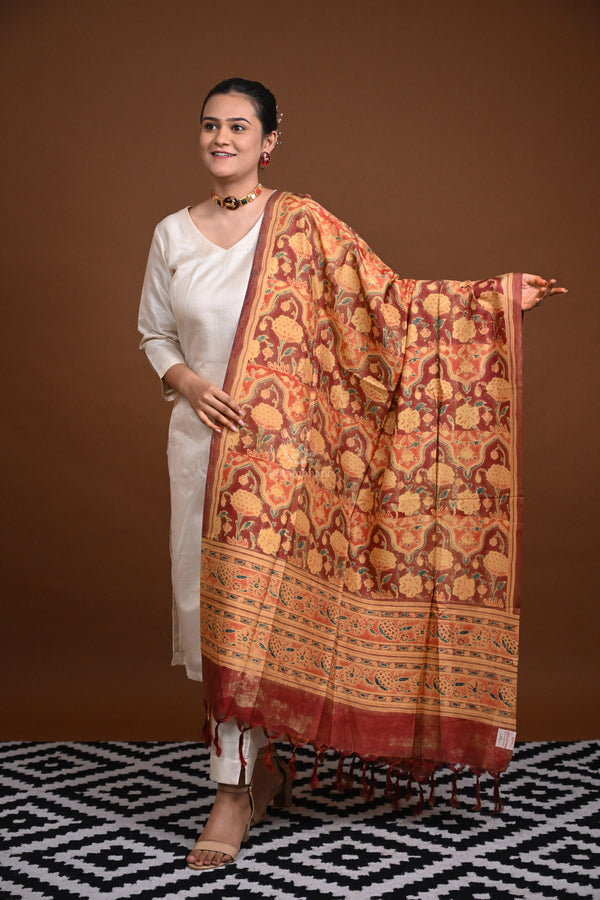
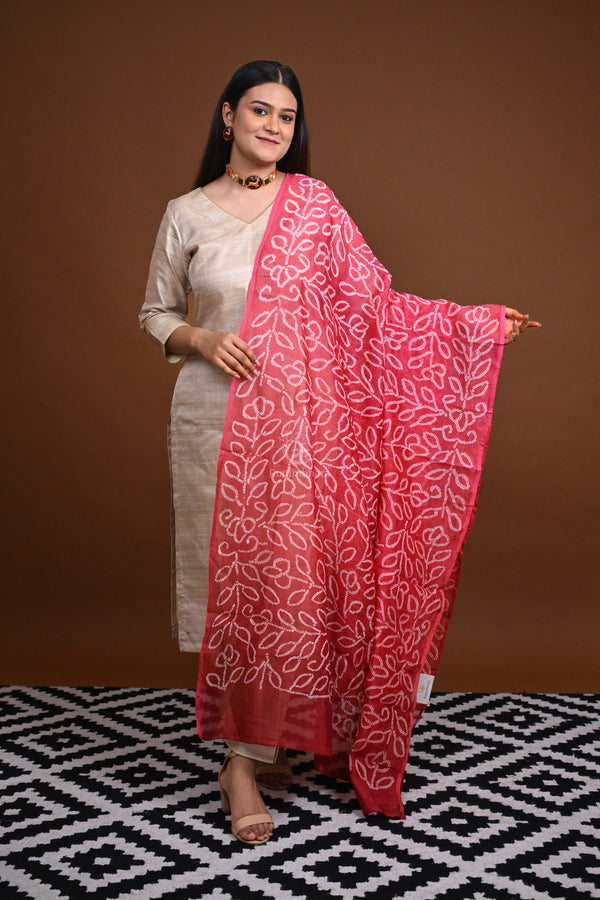
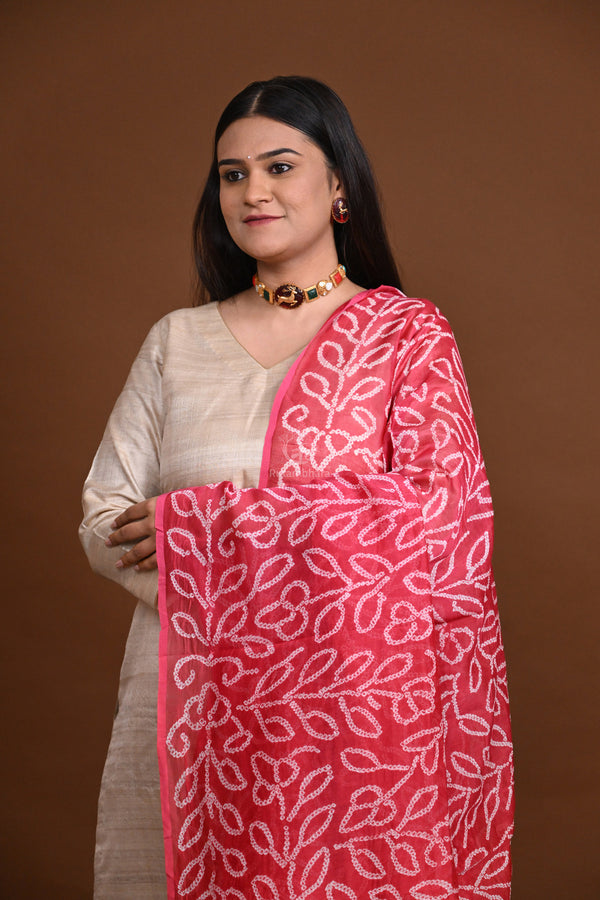

Showing 16 of 44 products
This is the full dupatta collection organised by fabric. Start here if you know how you want the dupatta to feel and fall, and let the craft follow.
Silk has the sheen, the weight and the drape for occasions: Banarasi brocade, Kalamkari on tussar, Bandhani on gajji silk. Silk-cotton sits in between, with a soft lustre but enough breathability for long days; most of our Ajrakh, Rai Bandhej and Ikat pieces are woven in it. Cotton is the lightest and easiest to care for, and is where you will find Jamdani and Sambalpuri.
Because these are woven by hand, slight irregularities in the weave and small colour shifts between pieces are normal. They are the signature of a handloom, not a flaw.
Silk drapes most fluidly and holds folds well. Silk-cotton is a little crisper. Cotton is the lightest and sits closest to the body.
Silk holds warmth better than cotton, so a silk dupatta is the better layer in cooler weather. None of these replaces a woollen shawl in real cold.
Cotton, which can be hand washed gently at home. Most silk pieces should be dry cleaned.
Silk, Banarasi, Kalamkari and Bandhani pieces should be dry cleaned. Cotton and most silk-cotton can be hand washed gently in cold water, separately, and dried in shade. The care line on each product page is the one to follow.
Loading product...